Taveuni Island travel guide: everything you need to know before you go
Taveuni Island is the third largest island in the Fiji archipelago, and the least nown among international visitors. While most people who visit Fiji spend their time in the Mamanuca or Yasawa island groups, Taveuni sits 180 kilometres to the northeast. Quieter, greener, and with a natural and cultural richness that the resort islands simply cannot match.
The island earned its nickname, the Garden Island of Fiji, for good reason. Taveuni is approximately 80 percent protected wilderness. Rainforest covers the interior mountains. Waterfalls drop into jungle pools. Offshore, Rainbow Reef and the Great White Wall rank among the world's finest dive sites. This is a place that rewards travellers who make the extra effort to get here.
Jump to:
Overview
Location: Northern Fiji, approximately 180km northeast of Nadi
Size: Approximately 45km long and 16km wide
Population: Approximately 15,000, mostly indigenous Fijian
Main town: Naqara (also spelled Nagara) — main shopping, ATM, market
Northern hub: Matei — airport, restaurants, dive operators, most accommodation
Language: Fijian and English widely spoken
Currency: Fijian Dollar (FJD) — only ATM is in Naqara
Time zone: UTC+12 — Fiji straddles the 180th meridian, but uses a single time zone across all islands
Electricity: 240V, Australian/NZ-style plugs. Most properties now have 24/7 mains power
Getting there
All visitors to Taveuni arrive by air via Nadi International Airport (NAN) on Viti Levu, Fiji's main island. From Nadi, Fiji Airways operates daily domestic flights to Matei Airport (TVU) on Taveuni's northern tip. The flight takes approximately one hour and twenty minutes and offers views across the Koro Sea on clear days.
Fiji Airways also operates a service to Taveuni via Suva (SUV), which suits travellers combining Taveuni with time in Fiji's capital or coming from Vanua Levu to the south. For most international visitors flying from New Zealand, Australia, the USA, or the UK, the direct Nadi connection is the straightforward choice.
Practical tip
Buy spirits at Duty Free as you exit customs at Nadi — prices are considerably higher on the island. Cash should also be withdrawn at Nadi or on arrival in Naqara, as card facilities are limited at some restaurants, taxis, and national park entry points.
A ferry service also operates between Suva and Taveuni via Savusavu on Vanua Levu, running several times per week. The journey is lengthy — typically an overnight crossing — but offers a scenic alternative for travellers with more time. The main operator is Goundar Shipping. Flying is generally the faster and more straightforward option for international visitors.
When to go
Taveuni has two distinct seasons. The dry season runs from approximately May to October and brings lower humidity, clearer skies, and the best diving conditions on Rainbow Reef. Water visibility is typically at its peak during July and August, when the Somosomo Strait current creates ideal conditions for the soft coral gardens that Rainbow Reef is famous for. Water temperatures during the dry season sit around 26 degrees Celsius.
The wet season runs from November to April and brings heavier rainfall and higher humidity. The island turns an even more vivid shade of green during this period, and waterfalls run at their most dramatic. Diving is still possible, though visibility can be reduced. Cyclone season runs from November to April, though direct hits on Taveuni are uncommon.
On visitor numbers
Taveuni does not experience the tourist volumes that affect Nadi, the Mamanucas, or the Yasawas at any time of year. This makes it an excellent destination for travellers who want Fiji without the resort bustle, at any time of year.
Getting around
There is one sealed road running along Taveuni's eastern and northern coast, connecting Matei in the north to the villages at the island's southern end. Taxis are the primary form of transport for visitors and are reasonably priced — a ride from Matei to Naqara takes approximately 15 minutes. Both cars and minivans are available, and Isoa at Ucuilagi can arrange transport for guests as required.
Rental vehicles are available through local operators near Matei Airport. Isoa can arrange this for Ucuilagi guests. Having your own vehicle for a day or two is useful for exploring further south toward Bouma National Park, the Waitavala Waterslide, and the southern coastal villages.
Dive operators collect and return guests directly from their accommodation — this is standard practice on the island and means a vehicle is not necessary for diving days.
Things to do
Diving at Rainbow Reef and the Great White Wall
Rainbow Reef in the Somosomo Strait is one of the world's great dive destinations — vivid soft coral gardens, open-water sharks, turtles, and extraordinary fish life. The Great White Wall, a section of the reef draped in white soft coral, is among the most photographed dive sites in the Pacific. Two operators near Matei — Salt Divers and Naika Dive — offer daily trips with pick-up and drop-off from accommodation. Both offer gear hire for those without their own equipment.
Bouma National Heritage Park and Tavoro Waterfalls
Located approximately 30 minutes by taxi from Matei, Bouma National Park protects the largest area of native rainforest on Taveuni. The Tavoro Falls — three cascading waterfalls accessible via a well-maintained track — are the park's centrepiece. The main falls drop approximately 25 metres into a pool where swimming is possible. The upper falls require a reasonably fit walk but are quieter and worth the effort. Entry is by cash payment at the park gate.
Lavena Coastal Walk and Wainibau Falls
One of Fiji's finest coastal walks, the Lavena track follows the coastline through rainforest and coastal villages to the Wainibau waterfall — a dramatic swimming hole where freshwater meets the ocean. The walk takes approximately one and a half hours each way. A guided boat can be arranged at Lavena village for part or all of the return journey. Allow five to six hours in total including travel time. A guide from Lavena village is recommended; contact Simoni on 820-4709. Entry is by cash payment.
Waitabu Marine Park
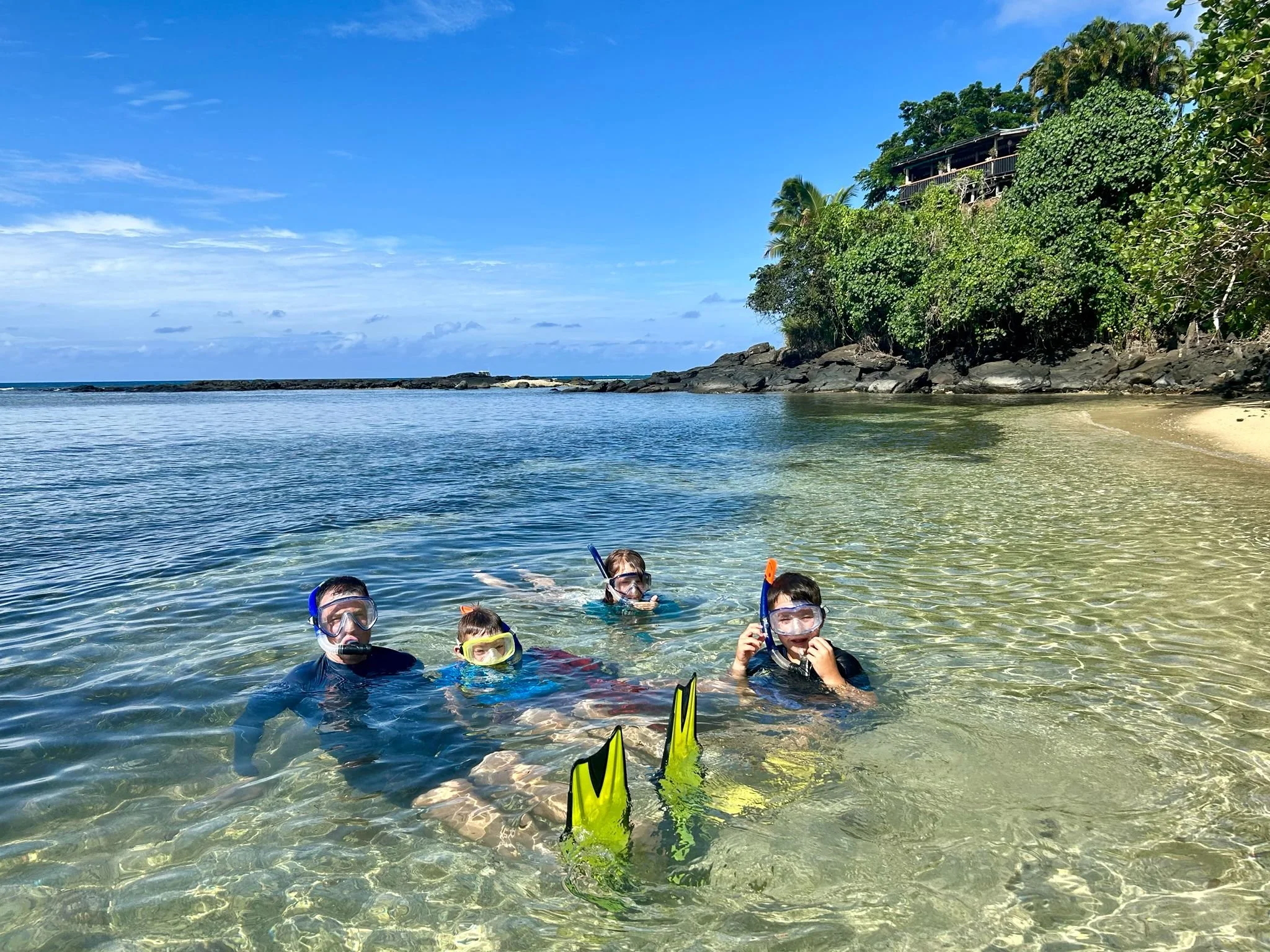
A community-managed marine reserve approximately 20 minutes by taxi from Matei. Guests visit by bilibili (bamboo raft) to snorkel pristine protected reef, followed by tea, local food, music, and Fijian dance. Snorkelling equipment is provided. Reservations are required 24 hours in advance — contact 820-1999. Dates depend on tides.
Waitavala Natural Waterslide
The Waitavala Waterslide is one of Taveuni's most-loved experiences — a 90-metre natural slide formed by smooth volcanic rock and a fast-running stream. Secluded, verdant, and genuinely fun. Wear old shorts. The trip combines well with a visit to Wairiki Mission further south. Approximately 25 to 30 minutes by taxi from Matei. Best avoided after heavy rain. An easy half-day out for all ages.
Birdwatching
Taveuni hosts nearly all bird species found in Fiji, including several found nowhere else — the Orange Dove, the Silktail, and the Collared Lory are among the most sought-after. A local guide named Bubba leads birdwatching trips into the forest and hillsides around the island. Expect an early start. Contact Bubba on 9434-241.
Civa Pearl Farm
Taveuni's only working pearl farm, located approximately 25 minutes by taxi from Matei. The owner Claude leads guided tours of the farm including a snorkelling session around the farm lagoon. Pearls can be purchased directly at prices well below retail. Bring your own snorkelling gear. Reservations are essential — contact Claude on 935-6168.
Fishing
The Somosomo Strait offers excellent fishing for a range of species including wahoo, mahi-mahi, and tuna. Half and full-day charter trips are available. Maikaira Sports Fishing is a recommended operator, contact Colleen on 891-5869. All gear is provided. Isoa can also arrange boat trips for casual fishing and reef exploration closer to shore.
Wairiki Mission and the international dateline
A 35-minute drive south crosses the 180th meridian on Taveuni, one of the only places on earth where the international date line passes over dry land. It is marked by a roadside post near Waiyevo — a simple but genuinely unusual stop on any drive south. The drive continues to the Wairiki Catholic Mission, built in the 19th century on a hill overlooking the site of a significant naval battle in which Taveuni warriors repelled a Tongan invasion. The mission church is open to visitors, and Sunday morning Mass features extraordinary choral singing.
Lake Tagimaucia
High in the mountains at approximately 800 metres elevation, Lake Tagimaucia sits in an ancient volcanic crater surrounded by floating vegetation mats. It is the only known habitat of the tagimaucia flower — Fiji's national flower, which produces red blooms with white centres, typically from late September to December. The round-trip trek takes around eight hours and is best undertaken with a guide. A four-wheel-drive route provides a shorter option for those who want to see the lake from above.
Eating out
Most restaurants on Taveuni are located in and around Matei. Standards are genuinely good — particularly the fresh seafood — and the dining scene has a relaxed, unhurried quality that suits the island's pace. Reservations are recommended at most places. Cash is required at several restaurants, so come prepared.
Tramonto Bar and Restaurant
An informal island-style restaurant on the beach overlooking the Somosomo Strait. Seafood, curries, pizza, pasta, and salads. A reliable local favourite for lunch and dinner.
Tides Reach Restaurant
Beachside setting with European and Fijian cuisine including a popular brunch. Wednesday evenings feature a traditional meke performance followed by a Fijian lovo feast — worth planning your week around.
Aroha Resort and Restaurant
About 20 minutes south of Matei, Aroha is known for its pizzas and burgers in a scenic setting. Worth the taxi ride for a change of scenery mid-trip.
Coconut Grove
The more upmarket option in Matei, with a beautiful beachfront setting. American, Indian, and Fijian cuisine across breakfast, lunch, and dinner. A good choice for a special evening out.
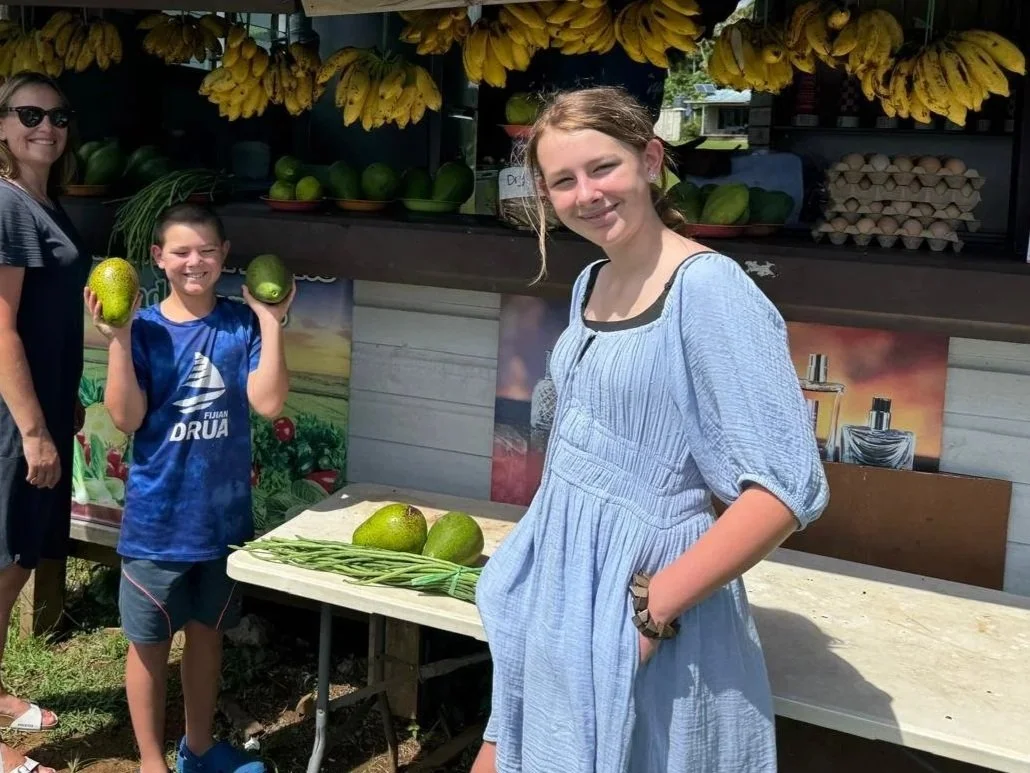
For self-catering, SunCity supermarket near Matei Airport stocks most essentials including beer and wine. The Naqara market, approximately 15 minutes by taxi, has a wider range of groceries and a fresh produce market that runs most mornings and is particularly good on Saturday.
Practical information
Money
The only ATM on Taveuni is in Naqara. Several restaurants and shops accept card payments, but taxis, national park entry fees, and some restaurants are cash only. Withdraw sufficient cash on arrival in Nadi or from the Naqara ATM early in your stay.
Mobile and internet
Vodafone Fiji and Digicel both provide coverage in the Matei area. A local SIM purchased at Nadi airport is the most economical option for data during your stay. WiFi is available at most accommodation properties and at several restaurants.
Health
Tap water in Matei is supplied by the local water authority and is generally safe to drink. During dry spells, water pressure can drop and tank water may be used — boiling is recommended in this case. The island hospital is located in Waiyevo, approximately 30 minutes south of Matei. For medical emergencies, evacuation to Suva or Nadi is possible.
Visiting villages
Taveuni's villages are active, traditional communities and welcome respectful visitors. It is important to bring a small gift of kava (yaqona) as a sevusevu — a gesture of respect presented to the village chief. Dress modestly: knees covered and shoulders covered for both men and women. Remove shoes before entering any building. Hats and sunglasses should be removed in the village. Sundays are family and worship days — if visiting on a Sunday, time your arrival for the church service and dress accordingly.
Fiji time
One of the first things visitors notice on Taveuni is the pace. Schedules are approximate, service is unhurried, and interactions with locals prioritise connection over efficiency. This is not a failing — it is the culture. Travellers who adapt to it find it one of the most genuinely restorative things about the island.
Where to stay
Taveuni has a small but good range of accommodation options, from dive resorts to private homes. Most properties are clustered around Matei in the north, which puts guests within easy reach of the airport, restaurants, dive operators, and the best day-trip destinations.
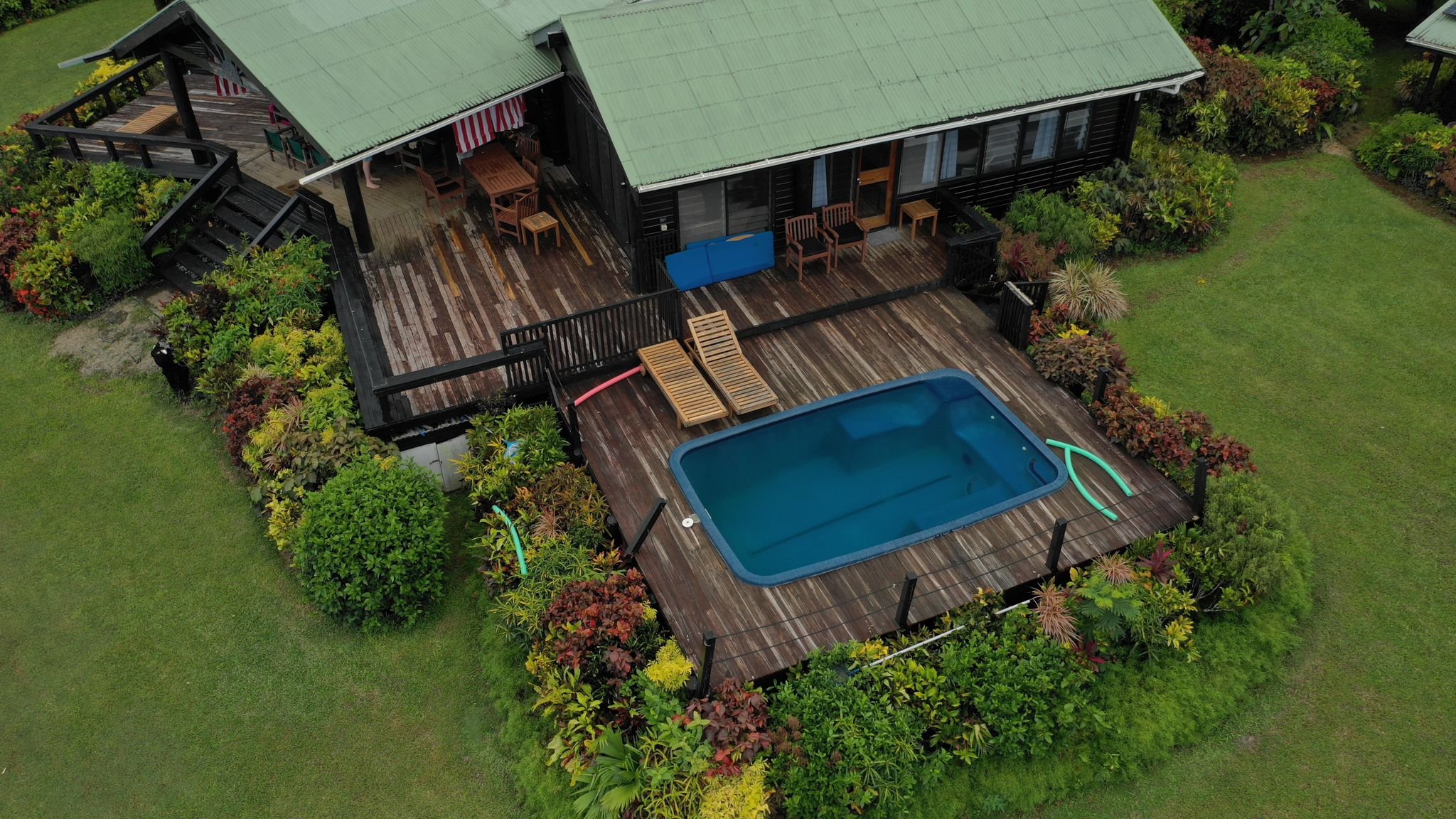
For those who want exclusive use of a property, a private home rather than a resort room, Ucuilagi is a clifftop holiday home at Matei with four bedrooms sleeping up to eight guests. The property has a private pool overlooking the Somosomo Strait, 2.5 acres of tropical gardens, and direct access to the beach below via a garden path. Isoa and his wife Pini live on the property and look after guests throughout their stay, arranging dive charters, day trips, fishing, and island experiences as required.
Ucuilagi is available for guest bookings outside New Zealand school holiday periods. Australian and international visitors will find that these windows align well with their own travel calendars, particularly during the dry season months of May through to September.
Ready to experience Taveuni?